KRAAK FEST 2026 HIGHLIGHTS: Zosha Warpeha
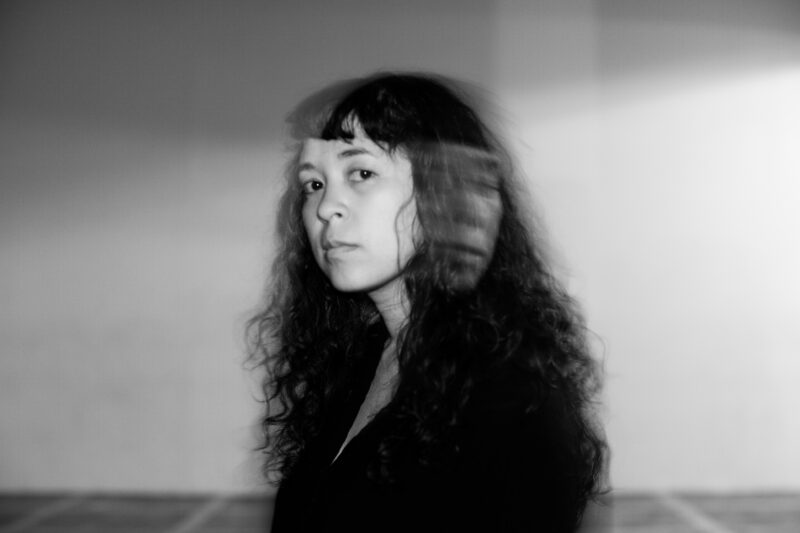
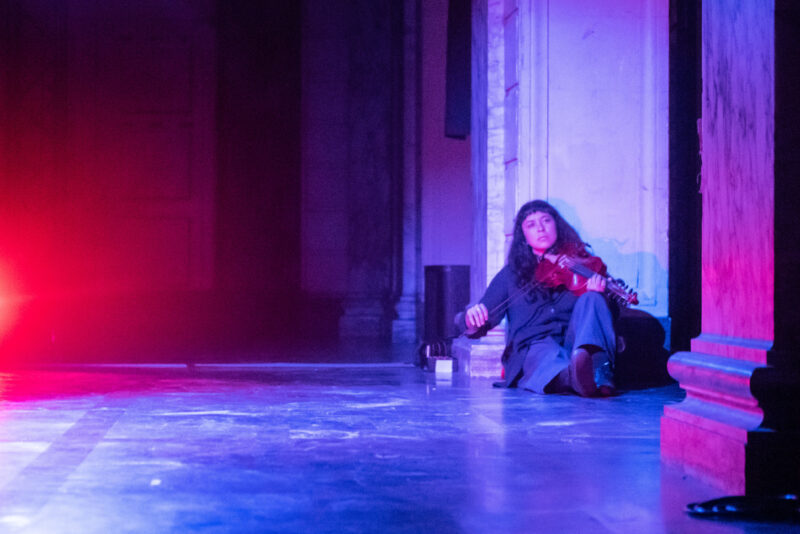
Listening to Zosha Warpeha’s music is like washing your body in a projection of pastoral scenes. Getting splashed by light and shadow and suddenly understanding the dialogue between her and her string instrument. Everything pauses when the Brooklyn-based composer-performer plays her Norwegian Hardanger d’amore and softly sings. Here she goes deep into her history and intimate bond with the instrument and the improvisations that spawn from within.
Can you tell us about your life and background? When did you start playing the Hardanger d’amore? Where and when did you come across it?
I grew up in a rural area of Minnesota, in the midwestern USA. I’ve played the violin since I was a child, but came across the Hardanger fiddle more recently, in 2017 or so. I was in the middle of my bachelor studies in jazz violin, but wasn’t quite happy with that process; it wasn’t the right fit for me musically and socially, even though I loved improvisation. I started searching for string players that inspired me and was shown the music of Nils Økland and Benedicte Maurseth, both contemporary Hardanger fiddle players that work in a contemporary space with the instrument, embracing resonance and breath in their music. Shortly after, I was able to try a Hardanger d’amore (similar to the Hardanger fiddle, but with a larger body and additional bowed string) and was immediately hooked. After experimenting with a version of that instrument for a year, I decided that I wanted to go deeper and pay my respects to the instrument and the folk traditions it emerged from, so I moved to Norway to study the Hardanger fiddle tradition and develop my solo performance practice.
Light vs dark seem to be recurring elements in your music. For example in your Shadow, come performance at ISSUE Project Room or in the name of your second solo album I grow accustomed to the dark, coming out sooooon! (How) would you say your photography work influences your music (and the other way around)?
At this time, I’m not sure that my own photography and music are guiding each other! But I think the idea of light vs. dark and themes in the recordings / performances that you mention are connected to the themes of dilation, aperture, long exposure. When you sit in a dark room for a time, you begin to see more and more detail within the shadows, pupils dilating to let more light through. Similar to exposing or developing a photograph, or adjusting aperture and shutter speed. I’ve realized that my music is a lot like that – it uses duration and repetition to let the listener (and performer) adjust over time, revealing details and developments that can really only be felt through longer periods of listening.
We read that one of your mentors once told you “It is not only about the tunes, but the secrets between them.” Can you elaborate on how this resonates with you?
During my time in Norway, I was learning very traditional Hardanger fiddle repertoire; tune after tune, all by ear, face to face with my teacher. I didn’t feel that I was developing very much artistically for the first year; it was more about building technique. But halfway through my studies, I felt something shift within my improvisations – everything started to flow in a way that I couldn’t explain, with new feelings in my hands and elements of tradition woven throughout my playing. I later realized that this was a natural development of an embodied practice, being within a tradition and learning by doing. There is a knowledge in the ears and hands that is built through aural and physical collection of tunes – secrets of tradition and expression that are passed on from one musician to another and call to one another from one tune to the next. While I very rarely play “tunes” these days, the secrets shared with me manifest in other ways in my performances, whether it be a simple flick of the fingers or a familiar melody.
Any secrets between you and your strings you’re willing to share?
I would if I could! It’s funny… I don’t really have words for most of the secrets in my playing. Maybe that’s the biggest secret of all - many times I’m not quite conscious of what I’m doing onstage; my music and the way that I play my instrument is really based on intuition.
This trip to Europe seems to be filled with exciting opportunities, anything you're particularly excited about (besides kraakfest of course :))? And what comes next for you?
I’m just so excited to finally be on my first European solo tour! I really want to share this music that I’ve been weaving for the past several years and connect with new communities and other artists in the process. I have a couple other festivals to look forward to (Artacts in Austria, eavesdropping at Cafe OTO in the UK), but also some smaller shows with really inspiring lineups – for example, I get to share a bill at KM28 in Berlin with Jessika Kenney, a wonderful vocalist that I’ve looked up to for many years. After this tour, I’ll return to NYC to celebrate the release of my next solo record, and then spend some time focusing on some collaborative work. Speaking of collaborations, I’m excited to be coming to Belgium also because I’ll have the chance to record with two Belgian improvisers Mathieu Robert and Nico Chkifi – hope to be bringing you a trio record soon! We’ll be working at Dropa House right after KRAAK Festival and will play a small concert there for a live Radio Centraal broadcast on March 16th.
Find Zosha on Instagram // Bandcamp // YouTube // Web
Zosha Warpeha and her Hardanger of love join this year's KRAAK Festival on March 14 at Het Bos, Antwerp. Get your tickets here!